
The Uses and Abuses of Knowledge
Last and First MenThis flow traces the novel’s changing judgments of science: from practical salvation and institutional dogma to self-criticism, experimentation, and cosmic uncertainty.
increasing Bearing strength in each event
 decreasing
Bearing strength in each eventdecreasingKnowledge as a Human Ideal
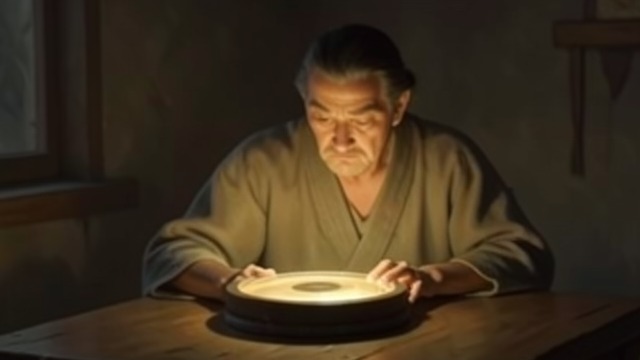
Truth for Its Own Sake
Intellectual integrity
The First human species inherits the ideal of honest inquiry associated with Socrates. The ideal demands the ability to examine belief without bending it toward convenience.
A fragile achievement
Scientific knowledge reveals humanity’s small place in the cosmos, but few people sustain the discipline needed to live by that revelation. Truth remains both a source of dignity and a difficult burden.
Science as Sacred Authority
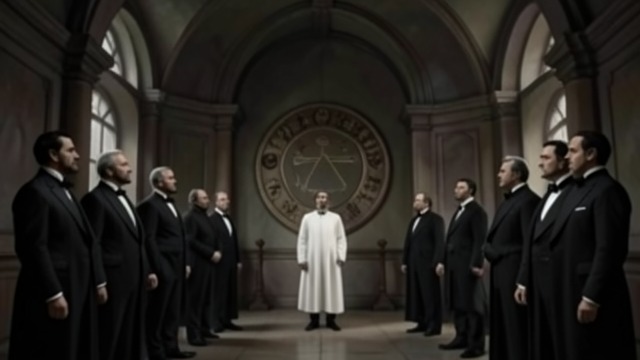
Research Becomes Orthodoxy
Power eclipses curiosity
Science gains public reverence because it transforms material life. Technical success begins to matter more than philosophical understanding.
An institution without criticism
The Sacred Order of Scientists controls access to research and becomes a guardian of dogma. The society’s reverence for science survives even as genuine critical inquiry diminishes.
A Weapon Refused
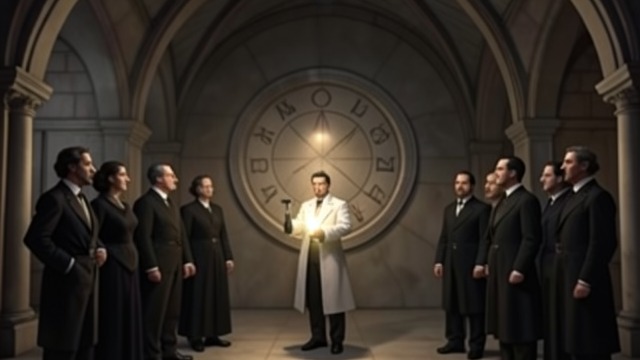
Restraint in the Face of Power
A scientific breakthrough
A Chinese physicist demonstrates a device able to annihilate matter at a distance. Its potential promises vast energy and equally vast destruction.
A moral decision
The gathered scientists refuse to place it in human hands, recognizing that technical ability does not constitute wisdom. The choice delays catastrophe, though misunderstanding of the event contributes to further war.
Inquiry as Self-Redesign
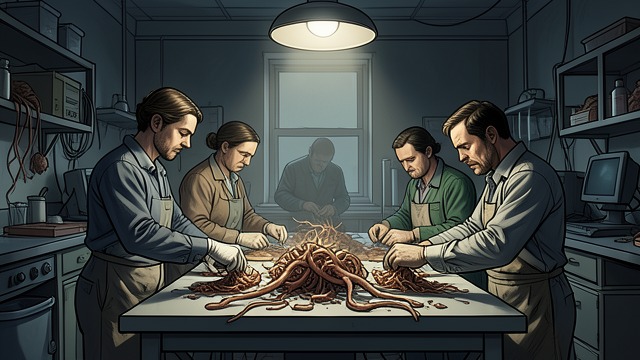
Knowledge Turns Inward
Biology becomes a technology
The Third Men learn to manipulate inherited forms, and the Fourth Men attempt to reorganize the brain itself. Science becomes a means of changing the knower as well as the known.
Blind spots exposed
The Brain-Men discover that greater intellectual capacity cannot supply missing forms of value. Their failure teaches later species that human nature cannot be improved by treating one faculty as the whole person.
Science and Cosmic Mystery
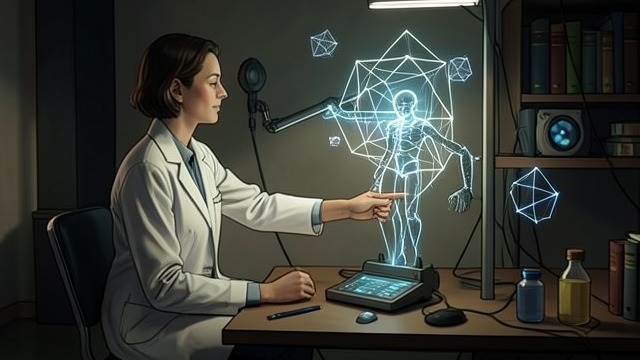
Knowing Without Final Certainty
A wider synthesis
The Last Men develop psycho-physics, relating physical and mental descriptions of reality. Their inquiries reveal structures that earlier species could not perceive.
The final limit
Even this science cannot establish whether the cosmos is perfect or adequately admired. Knowledge deepens their questions rather than replacing uncertainty with a comforting answer.
In the account of Socrates and early Western culture
During the First World State Era
At Hartland Point
During the Third-Men and Fourth-Men eras
During the Last Men’s mature philosophical age
